/filters:format(jpeg,png)/fit-in/300x300/guide_websites/54681/images/image22.png)
/filters:format(jpeg,png)/fit-in/237x80/guide_websites/54681/images/image22.png)
Beginner’s Guide to Trout Fishing in Arkansas
%2Ffit-in%2F1000x1000%2Ffilters%3Aformat(webp)%2Fguide_websites%2F54681%2Fimages%2F1757434028542image7.png&w=1920&q=75)
Published: August 19, 2026
Trout fishing in Arkansas offers beginners a chance to experience some of the state’s most popular cold-water fisheries. From productive rivers to well-known trout waters, anglers can target several trout species throughout the year. Getting started does not require advanced skills or complicated equipment. Understanding where trout live, what they eat, and how seasonal conditions affect their behavior can make your first trip much easier. Trout fishing in Arkansas can be approached with simple spinning gear, natural bait, or artificial lures, depending on the water and regulations.
Upcoming sections covers the basics you need before your first outing, including Arkansas trout fishing locations, trout species, best times to fish, essential gear, bait, techniques, water conditions, licensing requirements, and practical tips for beginners.
What Trout Can You Catch in Arkansas?
Arkansas has several trout species that anglers can target, with each species offering a different fishing experience. Knowing the differences can help beginners choose what they want to catch and understand the type of water and habitat they are likely to encounter.
Rainbow Trout
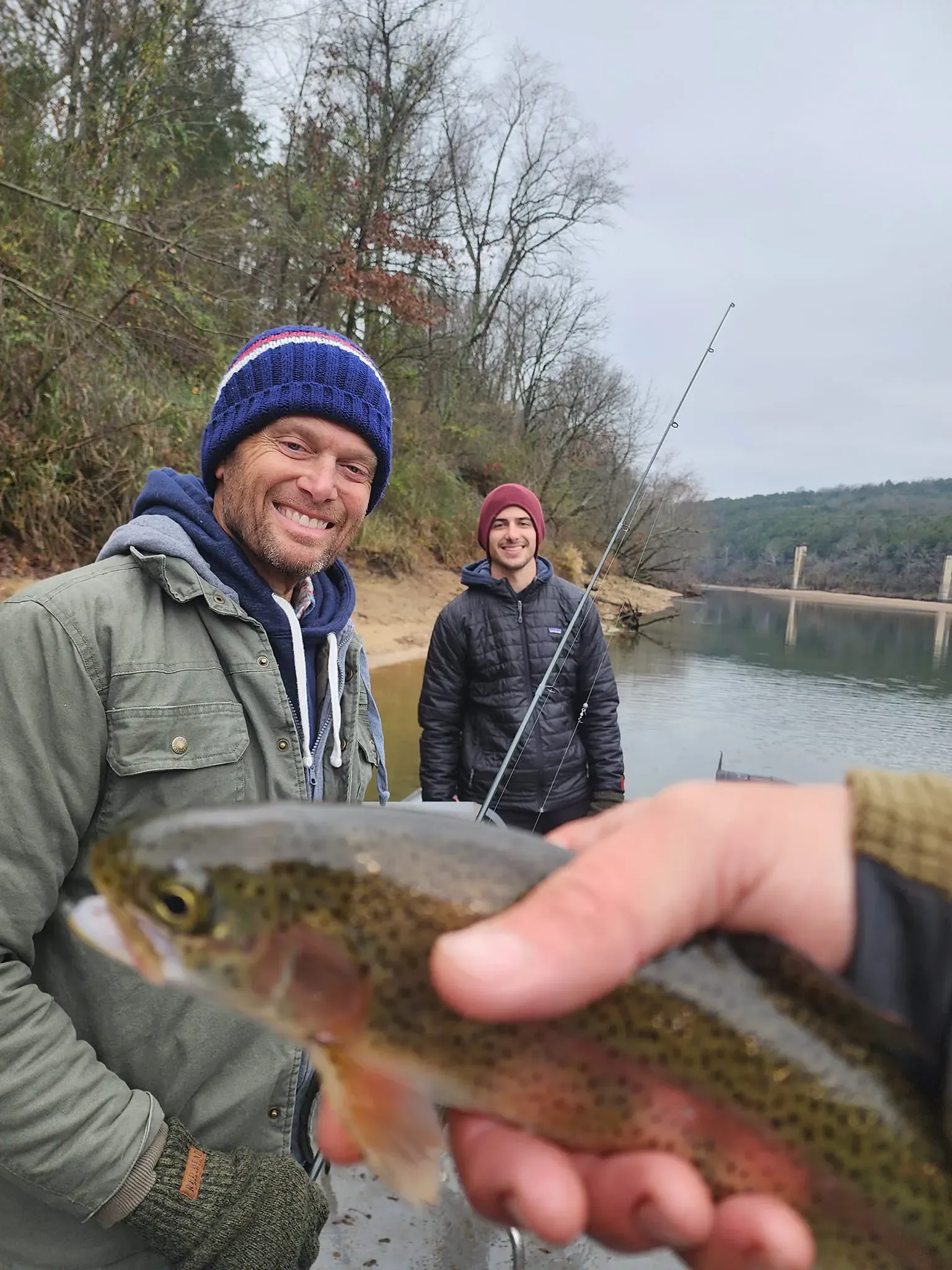
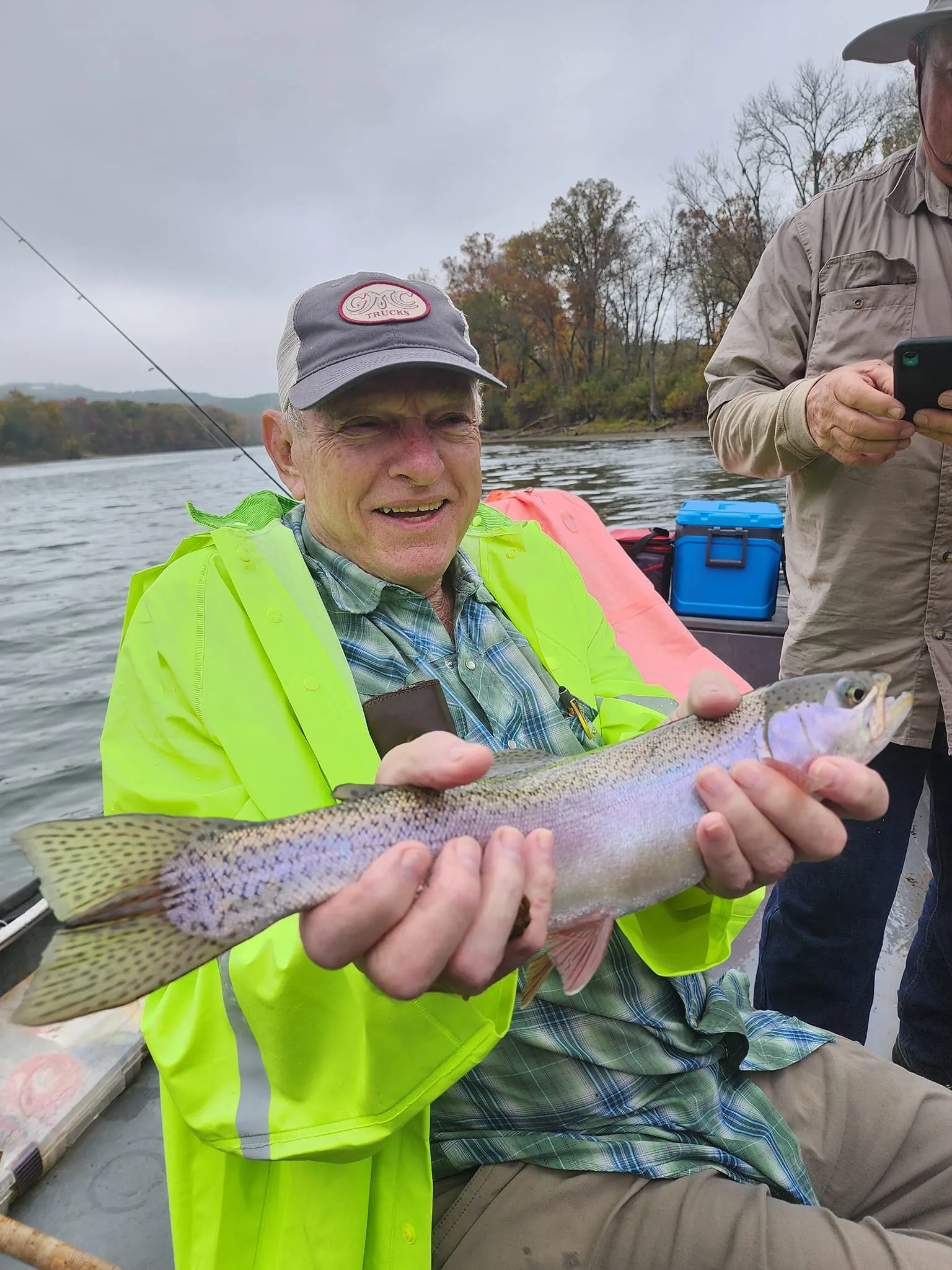
Rainbow trout are among the most commonly encountered trout in Arkansas and are a popular choice for beginners. They have colorful markings and readily take different baits and lures. Their availability in many stocked and established trout fisheries makes them an excellent introduction to Arkansas trout fishing.
Brown Trout
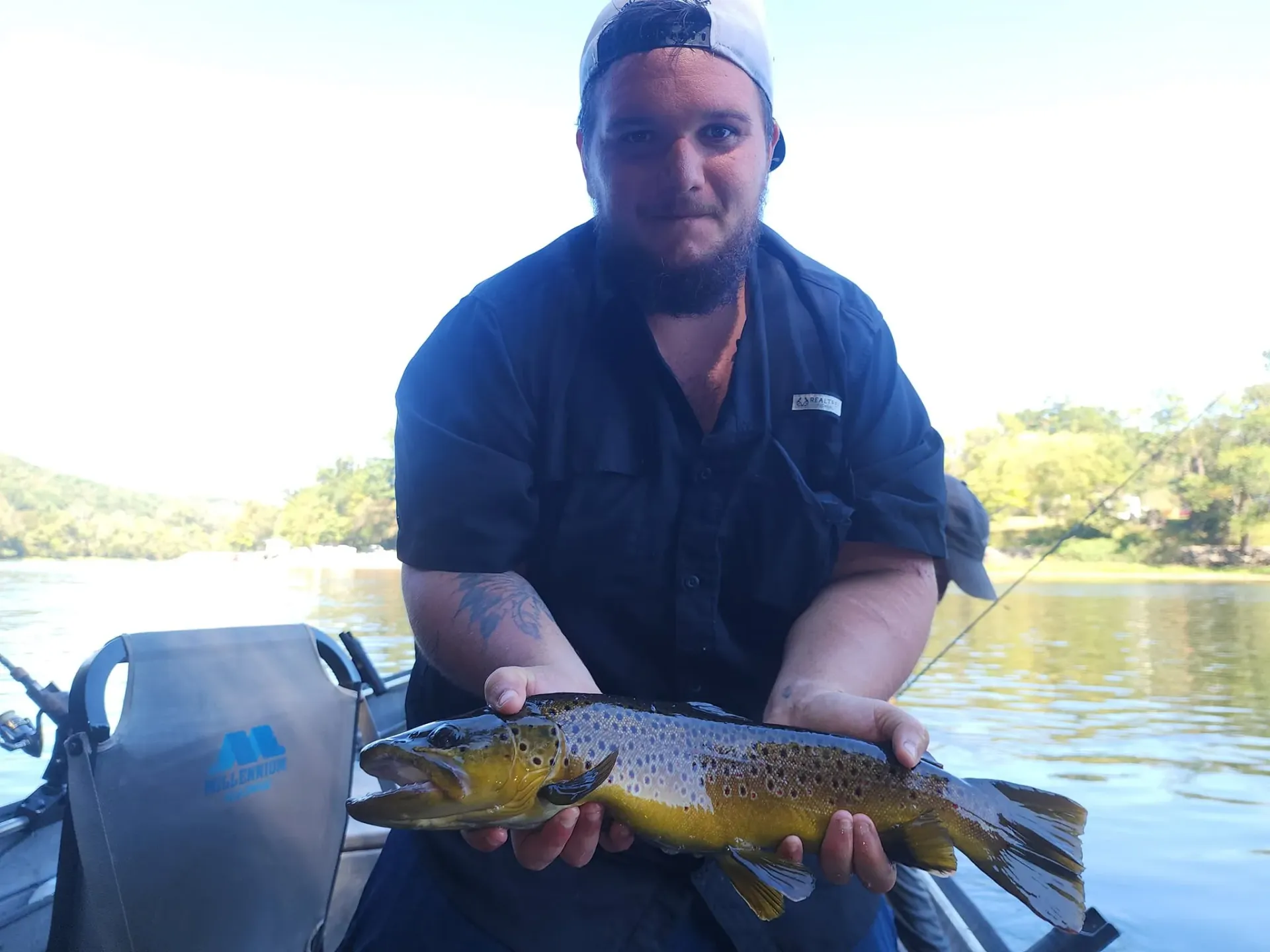
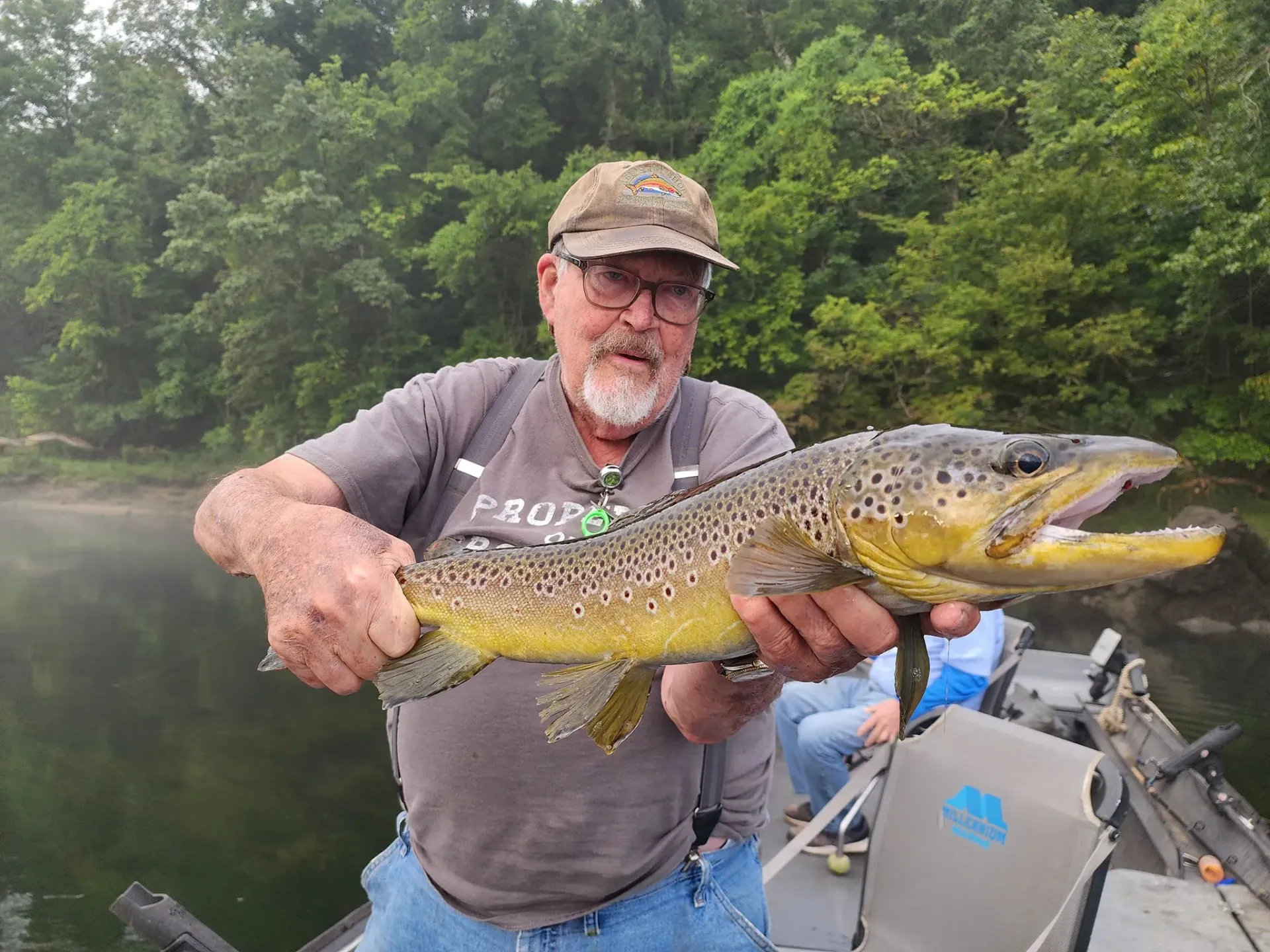
Brown trout are a prized species for anglers who want to pursue larger fish. They can become more challenging as they grow and may favor deeper water, structure, and cover. Beginners targeting trout fishing in Arkansas should learn to adjust their presentation and location when pursuing brown trout.
Cutthroat Trout
Cutthroat trout can be found in select Arkansas waters and are recognizable by the reddish marking beneath the lower jaw. They are less commonly encountered than rainbow trout but can provide an interesting catch for anglers exploring different trout species in Arkansas.
Brook Trout
Brook trout are found in select Arkansas trout waters and generally prefer cold, clean environments. They are less widespread than rainbow and brown trout, making encounters more limited. Anglers interested in Arkansas trout fishing should check the specific water and current regulations before targeting this species.
Where Can You Go Trout Fishing in Arkansas?
Arkansas has several well-known trout fisheries, particularly cold-water rivers and tailwaters where trout can thrive. For beginners, choosing accessible water with current fishing information can make the first outing easier and help you spend more time learning how trout respond to different conditions.
White River
The White River is one of Arkansas's best-known trout fisheries, with cold water supporting substantial trout populations. Rainbow and brown trout are popular targets, and the river offers opportunities for both bank anglers and boat fishermen. Its reputation makes it a major destination for trout fishing in Arkansas.
Norfork River
The Norfork River is another important trout fishery, known for its cold water and trout habitat. Anglers can encounter rainbow and brown trout while fishing different sections of the river. Beginners should check access points, water conditions, and current regulations before planning Arkansas trout fishing here.
Little Red River
The Little Red River is a popular destination for trout anglers and offers cold-water habitat suitable for several trout species. Its varied fishing areas provide opportunities to learn different approaches, from working current seams to presenting bait around deeper water and structure.
Other Arkansas Trout Waters
Arkansas has additional designated trout waters beyond its most famous rivers. Smaller streams and other cold-water areas can provide worthwhile opportunities, but conditions, access, stocking, and regulations can differ. Checking current information before visiting any Arkansas trout streams is an important step for beginners.
When Is the Best Time to Go Trout Fishing in Arkansas?
Trout can be caught throughout the year in Arkansas, but seasonal conditions affect their activity, location, and feeding patterns. Comparing the same factors across each season makes it easier for beginners to decide when to plan a trip.
Spring
Spring brings gradually warming conditions and increased activity, making it a useful season for beginners. Changing water conditions can also influence where trout hold and how they respond to different presentations.
- Water Conditions: Warming water and changing flows can shift trout locations.
- Fish Activity: Trout generally become more active as conditions stabilize.
- Best Time: Morning and daytime periods can both produce opportunities.
- Effective Approach: Try bait, small lures, or flies based on local regulations.
Summer
Summer requires more attention to cold-water conditions, particularly during periods of high air temperatures. Early starts can provide more comfortable fishing conditions and help anglers avoid the warmest part of the day.
- Water Conditions: Trout remain dependent on suitable cold-water temperatures.
- Fish Activity: Fish may seek deeper or cooler areas as temperatures rise.
- Best Time: Early morning is often a practical window.
- Effective Approach: Focus on appropriate depth, current, and cooler water.
Fall
Cooling conditions can create favorable opportunities for anglers as water temperatures begin to decline. Fall also offers comfortable conditions for spending more time on the water while trout adjust to seasonal changes.
- Water Conditions: Cooling water can improve conditions for cold-water trout.
- Fish Activity: Feeding activity can increase during favorable periods.
- Best Time: Morning and afternoon can both offer opportunities.
- Effective Approach: Adjust bait, lure, or fly selection to current activity.
Winter
Winter brings the coldest conditions of the year, but trout remain available in Arkansas's cold-water fisheries. Beginners may need to slow their presentation and pay closer attention to where fish are holding.
- Water Conditions: Cold, stable water can support active trout.
- Fish Activity: Fish may respond better to slower presentations.
- Best Time: Focus on periods with stable weather and conditions.
- Effective Approach: Fish deeper areas and maintain a slower presentation.
What Gear Do Beginners Need for Trout Fishing?What Gear Do Beginners Need for Trout Fishing?
Trout fishing does not require a complicated setup, especially for beginners. A lightweight rod, suitable line, basic terminal tackle, and a few proven bait or lure options are enough to start. Your gear should match the trout species, fishing location, and techniques you plan to use. The essentials below cover what you actually need to get started.
Rod and Reel
A simple spinning setup gives beginners an easy way to learn casting and control while keeping the equipment lightweight enough for trout. Here are the main rod and reel features to consider.
- Light or ultralight spinning rod
- Small smooth-drag spinning reel
- Moderate rod length for casting
- Light action for trout
Line and Terminal Tackle
Keep your terminal tackle simple when starting out. Lightweight components work well for many trout presentations and make it easier to control smaller baits and lures. These basic pieces are enough for most beginner setups.
- Light fishing line
- Small trout hooks
- Small split-shot weights
- Small fishing bobbers
Clothing and Accessories
Practical clothing and accessories can make your time around cold water safer and more comfortable, especially when fishing streams or spending several hours outdoors. A few useful items can make the day much easier.
- Chest or hip waders
- Polarized fishing sunglasses
- Small landing net
- Fishing pliers
- Hat and sunscreen
What Bait and Lures Work Best for Arkansas Trout?
Beginners have several bait and lure options for trout, but the best choice depends on the water, trout species, current conditions, and local regulations. Starting with a few simple options makes it easier to learn what fish respond to. These are the main choices worth considering.
Natural Bait
Natural bait can be a straightforward option for beginners, especially when fishing with simple spinning equipment. Worms, prepared trout bait, and other natural offerings can attract trout, but anglers should always check the regulations for the specific water before using bait.
Artificial Lures
Small artificial lures allow anglers to cover water and experiment with different presentations. Inline spinners, lightweight spoons, jigs, and small soft plastics can all be useful choices when trout are actively feeding or bait restrictions apply.
Fly Fishing
Fly fishing provides another way to imitate the insects and other food trout encounter in the water. Beginners can start with simple dry flies, nymphs, or streamers rather than carrying a large selection of patterns.
How to Catch Trout in Arkansas: Basic Techniques
Successful trout fishing often comes down to presentation, depth, and reading the water. Beginners can start with a few straightforward methods before experimenting with more advanced techniques.
- Drift Bait Through Current: Cast upstream and allow bait to move naturally with the current while maintaining enough line control to detect subtle trout bites.
- Fish Small Lures Around Structure: Cast small lures near rocks, pools, current seams, and structure where trout may hold while keeping your retrieve controlled and steady.
- Use the Right Depth: Adjust your presentation depth based on water temperature, current, and fish activity. Try deeper areas when trout are not responding near the surface.
- Approach the Water Carefully: Move quietly along the bank, avoid casting shadows, and make controlled casts to prevent disturbing trout before your presentation reaches their holding area.
What Are the Arkansas Trout Fishing Regulations?
Understanding the rules before fishing is essential for beginners. Arkansas regulations can differ by location, trout water, species, and fishing method, so checking the latest requirements before your trip helps you stay compliant.
- Fishing License: Anglers generally need the appropriate Arkansas fishing license before fishing in Arkansas waters.
- Trout Permit: Additional trout-related requirements may apply when fishing designated trout waters.
- Daily Limits: Trout possession and daily catch limits can vary by species and specific fishing area.
- Size Restrictions: Certain waters may have minimum or maximum length requirements for particular trout species.
- Bait Restrictions: Some waters have special rules limiting bait, hooks, or artificial fishing methods.
- Special Regulations: Certain trout waters may have unique regulations that differ from statewide rules.
- Nonresident Requirements: Visitors should check nonresident Arkansas fishing license requirements before planning their fishing trip.
Plan Your Arkansas Trout Fishing Trip with Ozark’s Full Stringers LLC
At Ozark’s Full Stringers LLC, we help anglers enjoy productive fishing trips with local knowledge, experienced guides, and quality equipment. Our team targets trout, Striper, Bass, and Walleye around Beaver Lake and nearby rivers. We welcome beginners who may not know the area, techniques, or seasonal patterns yet. Our small-group approach keeps the experience comfortable while giving you focused guidance throughout your time on the water.
We can help you understand current conditions, locate productive fishing areas, choose appropriate techniques, and handle the equipment and tackle you need. Instead of spending your trip trying to figure out unfamiliar water, you can focus on learning and enjoying the experience. If you are ready to experience guided trout fishing, explore our Beaver Lake fishing trips and plan your next day on the water with our local team.
Conclusion
Trout fishing in Arkansas can be an enjoyable experience for beginners when you understand the basics before heading out. Choosing the right location, learning simple techniques, using suitable gear, and paying attention to water conditions can make your first trip more productive. Always check current regulations and make sure you have the proper license before fishing. From rainbow and brown trout to other species found in Arkansas waters, there are plenty of opportunities to learn and improve. Ready to put your skills to the test? Book your Beaver Lake fishing trip with our local guide team and make your next Arkansas fishing adventure one to remember.
Frequently Asked Questions
1. What is the best time of year to trout fish in Arkansas?
Trout can be caught year-round in Arkansas. Spring and fall offer comfortable conditions, while cold-water fisheries can provide opportunities during summer and winter as well.
2. Where is the best trout fishing in Arkansas?
The White River, Little Red River, and Norfork River are among the state's well-known trout fisheries. Other designated trout waters can also provide good opportunities.
3. What trout species are found in Arkansas?
Rainbow and brown trout are the primary species many anglers target. Cutthroat and brook trout can also be found in select Arkansas waters.
4. What bait is best for trout in Arkansas?
Worms, prepared trout bait, and other permitted natural baits can work well. Small spinners, spoons, jigs, and flies are also popular options.
5. What size hook should I use for trout?
Small hooks are commonly used for trout, particularly when fishing with natural bait. The appropriate size depends on the bait, technique, and local regulations.
6. Do you need a trout permit in Arkansas?
Depending on the water and fishing situation, additional trout-related requirements may apply. Always check the current Arkansas Game and Fish Commission regulations before fishing.
7. Can beginners fly fish for trout in Arkansas?
Yes. Beginners can learn fly fishing with simple equipment and basic presentations. Starting with a few easy-to-use fly patterns can make the learning process more manageable.
8. What is the best rod for trout fishing?
A light or ultralight spinning rod is a practical choice for beginners. It works well with small lures and bait while making smaller trout enjoyable to catch.
9. Can you trout fish year-round in Arkansas?
Yes, trout fishing is available throughout the year in Arkansas, although conditions, regulations, water flow, and trout activity vary by location and season.
10. What should I bring on my first trout fishing trip?
Bring a suitable rod and reel, light line, hooks, weights, permitted bait or lures, polarized sunglasses, a landing net, pliers, appropriate clothing, and your required fishing license.